" From Color Selection to Clean-Up: What to Expect From Your Painting Services"
When hiring expert painting contractors, homeowners can anticipate a structured approach that commences with color selection. This choice is essential for achieving a harmonious environment. The preparation phase follows, setting the stage for a successful outcome. Understanding the methods and techniques employed can set realistic expectations. Yet, the process extends beyond this point. What takes place during the painting session, and how does the area change once complete? Investigating these factors highlights the genuine benefits of expert painting services.
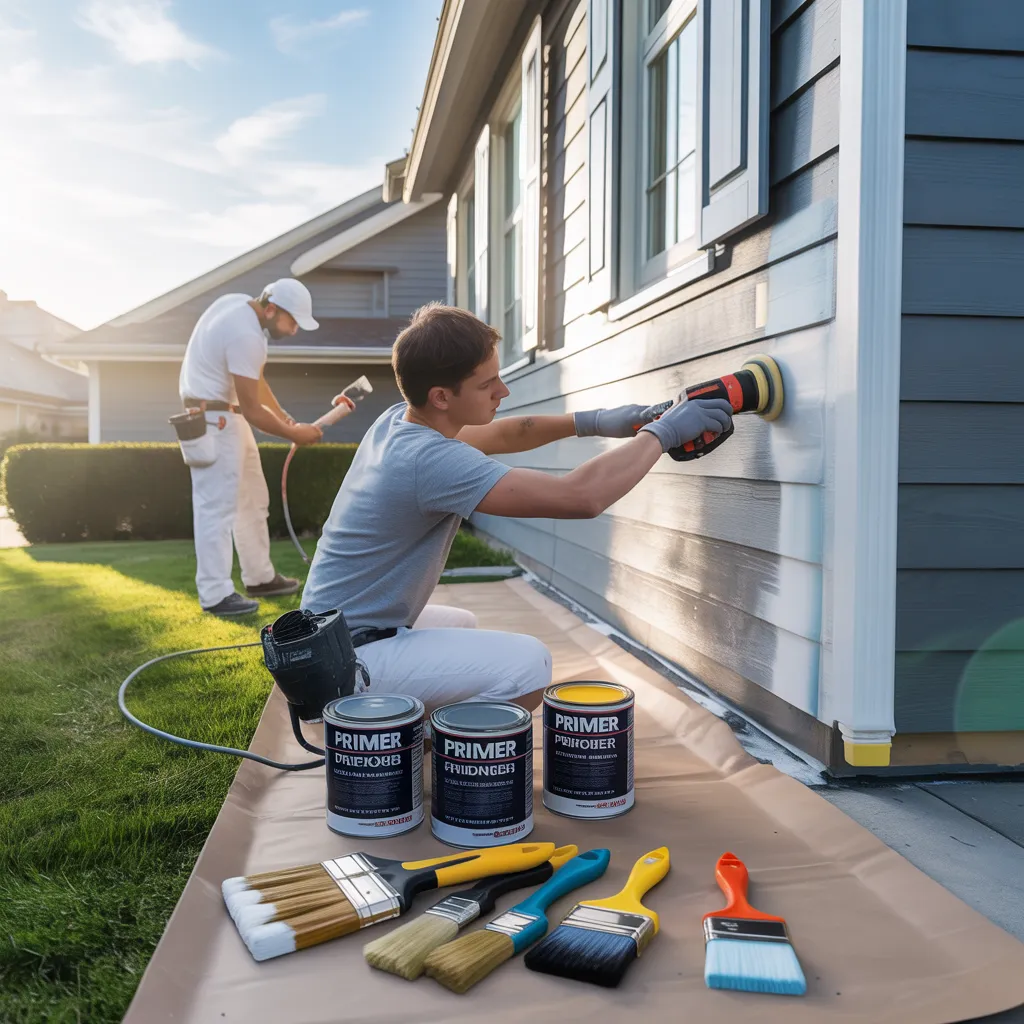
Picking Colors: Tips for a Cohesive Space
When choosing colors for a painting endeavor, homeowners need to reflect on how different hues interact within a space. The color decision not only influences the visual appeal but also shapes the atmosphere and sense of proportion within a room. Light colors can create an illusion of spaciousness, making smaller areas feel larger, while deeper shades can introduce richness and coziness.
Homeowners must also consider the lighting circumstances in each room, as natural and man-made light sources can change how colors appear throughout the day. Matching colors with current furnishings and decor is crucial for creating a unified appearance. Additionally, considering the flow between adjacent spaces guarantees harmony throughout the home. Trying out color samples on the walls can provide insight into how the selected colors will appear under different lighting conditions. In the end, careful color choice significantly enhances the general atmosphere of the home.
How to Prepare Your Home for a Successful Painting Experience
Readying a home for painting demands thorough planning. Removing furniture and properly protecting surfaces are essential steps to guarantee a seamless experience and optimal results. By implementing these measures, homeowners can establish a better painting space.
Remove Old Furniture
Removing furniture is essential for a smooth painting project. It allows painters to access all surfaces without hindrance, ensuring an even application of paint. By taking out items such as sofas, tables, and cabinets, homeowners can avoid unintended damage to their belongings while increasing the efficiency of the painting process. Additionally, vacating the room creates a more organized environment, enabling the painters to work with fewer distractions. It is suggested to store furniture in another room or a garage, while also planning for the removal of wall hangings and lighting fixtures. This preparation step not only preserves the furniture but also supports a more efficient workflow, producing a refined result and a faster turnaround time for the painting project.
Safeguard Surfaces Correctly
To guarantee a successful painting endeavor, protecting surfaces is essential. Expert painting contractors usually start by assessing the site to pinpoint surfaces that need protection, such as flooring, furnishings, and fixtures. They commonly employ protective coverings or plastic tarps to shield floors and furnishings, preventing paint splatters and drips. Additionally, painters will tape edges and moldings to guarantee clean lines and limit the possibility of accidental paint spray. Extra attention is given to sensitive surfaces or spaces needing additional care. By implementing these safeguarding steps, professional painters create a conducive environment for their work, guaranteeing that the outcome aligns with the homeowner's vision while preserving the condition of the property's surfaces.
How Surface Preparation Is the Key to a Flawless Finish
Though many tend to overlook the significance of surface preparation, it serves a critical function in achieving a flawless finish in paint applications. Proper preparation includes sanding, cleaning, and fixing surfaces to confirm they are uniform and clear of defects. This significant step allows paint to bond more effectively, minimizing the chances of peeling or cracking with time.
Insufficient preparation can produce rough surfaces that diminish the visual appeal of the finished product. Old paint, dust, or grease can form barriers that keep new paint from adhering effectively, leading to a dull finish. Moreover, spotting and correcting any pre-existing concerns, such as mold growth or structural damage, is necessary for ensuring long-lasting results.
Ultimately, investing time and effort in surface preparation sets the foundation for a professional-looking result. By prioritizing this step, clients can enjoy a beautiful, lasting finish that enhances their space and reflects quality workmanship.
Which Painting Techniques Will Be Applied?
When considering painting techniques, several techniques can significantly impact the final outcome. The selection of brush and roller methods, as well as the incorporation of spray painting techniques, is a key factor in obtaining the results you want. Additionally, unique surface treatments can enhance the aesthetic appeal, making knowledge of these choices essential for knowledgeable determinations.
Brush Compared to Roller Methods
Choosing between brush and roller application methods can considerably influence the final result of a painting endeavor. Brushes are ideal for intricate work, such as corners and edges, providing careful control. They also excel in coating textured surfaces, ensuring that every crevice is covered. However, rollers are preferred for larger areas because of their speed and efficiency. They can cover expansive spaces quickly, delivering a smooth result with minimal visible strokes. The selection between these approaches often depends on the particular needs of the job, including the kind of surface, preferred finish, and the painter's skill level. At the end of the day, both tools play essential roles in producing a refined and professional finish.
Spraying Techniques Explained
Spraying techniques offer a different method for applying paint, making them especially effective for expansive surfaces and detailed work. This method utilizes purpose-built tools that convert paint into tiny droplets, allowing for an even and smooth application. Widely applied across residential and commercial projects, spraying can significantly cut down on the duration needed versus conventional techniques. Techniques such as airless spraying and HVLP systems are commonly preferred methods, with each providing specific advantages. Airless spray systems deliver high pressure suitable for heavy coatings, while HVLP systems minimize overspray, making them ideal for detailed work. Knowing these approaches enables clients to understand the high-quality outcomes produced, confirming their painting work fulfills expectations.
Special Finishes Overview
Unique finishes upgrade the aesthetic quality of a painting endeavor, delivering exceptional textures and striking visual effects. Approaches such as faux finishes imitate the look of organic materials, including marble or wood, adding depth and sophistication. Metallic coatings offer a lustrous quality, enhancing light and creating a modern feel. Weathered finishes, frequently chosen for rustic spaces, lend a timeless charm by simulating wear and tear. Additionally, textured paints can create tactile surfaces that draw the eye and invite touch. Every unique finish demands expert application to attain the intended appearance, guaranteeing that the completed outcome matches the homeowner's expectations. Knowledge of these approaches empowers clients to make educated selections that greatly enhance their living areas.
What Happens on Painting Day
What occurs on painting day can significantly impact the overall experience for home owners. Upon arrival, the painting team typically carries out a walkthrough to verify details and handle any remaining questions. Residents can count on the team to prepare the space, which entails repositioning furniture, placing down protective coverings, and taping edges to ensure clean lines.
When all preparations are finished, the actual painting commences. Professional painters usually begin with ceilings, followed by the walls and trim work. Homeowners may notice the team proceeding systematically, using specific techniques to achieve the intended result. Communication remains key; painters often update homeowners on any unexpected issues and overall progress.
Throughout the day, homeowners might experience some noise and odors from the paint, making it recommended to keep away from the work area. Ultimately, a properly planned painting day creates the foundation for an impressive renovation of the living space.
What Is Included in Post-Painting Clean-Up?
After the last stroke of paint has dried, the after-painting cleaning process begins, making certain that the space is left tidy and prepared for use. Professional painters typically include several key steps in this part of the process. Initially, painters will methodically remove protective materials from surfaces and furniture, ensuring that no tape or cloth remnants are left behind. Next, they will tackle any paint splatters or drips, applying suitable solvents to bring surfaces applicable information back to their prior condition.
Additionally, all painting tools, brushes, and containers are cleaned and packed away, reducing clutter. The team will also conduct a thorough inspection of the area to verify that no details have been overlooked. Finally, the disposal of waste is managed carefully, with leftover paint and materials discarded according to local regulations. This thorough cleanup process not only improves the aesthetic quality of the freshly painted area but also highlights the dedication and expertise of the painting professionals.
Final Touches: Ensuring Your Satisfaction
With the clean-up complete, the emphasis moves to the last steps that secure client satisfaction. This phase includes a comprehensive inspection of the painting work, ensuring uniform coverage and consistent color throughout. The painting team diligently check for any overlooked areas or flaws, resolving these promptly to maintain quality.
Communication proves vital during this process; painters often engage with clients to confirm their expectations have been met. Clients are encouraged to raise any issues or seek changes, fostering a collaborative environment.
Beyond physical assessments, the painting professionals may add finishing touches or protective treatments as required, guaranteeing lasting performance. After all components are deemed acceptable, the painting team typically provide upkeep recommendations, empowering clients to maintain their refreshed space effectively.
In the end, these final touches reinforce the customer's full experience, converting an ordinary service into a lasting partnership grounded in satisfaction and quality.
Frequently Asked Questions
What Is the Lifespan of the Paint Once the Job Has Been Completed?
Commonly, paint lasts anywhere from five to ten years, based on factors like paint quality, surface preparation, and environmental conditions. Regular maintenance and proper application can greatly increase its durability, ensuring a lasting finish.
Are There Eco-Friendly Paint Solutions Available for My Project?
Eco-friendly paint options are widely available for various projects. These paint varieties commonly include minimal volatile organic compounds (VOCs), rendering them more beneficial for the environment and the quality of indoor air, yet continuing to deliver outstanding coverage and long-lasting durability.
What if I Decide to Change My Color Choices?
If a client changes their mind about colors, the painting company usually works to fulfill the request, commonly calling for a dialogue about likely delays and added charges. Clear communication guarantees a satisfactory outcome for all parties involved.
Am I Able to Stay at Home While Painting Work Is Underway?
Yes, homeowners can stay at their property throughout painting projects, despite the potential inconvenience. Ventilation and safety measures are used to minimize disruption, yet certain spaces may be temporarily off-limits or require relocation to ensure safety.
How Is Furniture and Belongings Managed During the Painting Process?
In the course of the painting project, professionals typically move or cover furniture and belongings with protective materials. This guarantees that items remain undamaged while enabling the professionals to reach every surface safely and efficiently, elevating the standard of the finished work.